· 7 min read
The south coast of the Fleurieu - where Flinders met Baudin in 1802 and where southern right whales still return every winter - is a world apart from the wine country. Here is how to do it in two days.
There are two sides to the Fleurieu Peninsula. The western side gave us McLaren Vale - wine country, long lunches, vineyards stretching to the sea. The eastern side is the Encounter Coast - Victor Harbor, Port Elliot, Goolwa - and it is an entirely different animal.
This is the Fleurieu of granite cliffs and southern right whales, of a horse-drawn tram that has run since 1894 and a paddle-steamer wharf that was the busiest inland port in colonial Australia. It is also a 90-minute drive from Adelaide.
Day 1 - Victor Harbor and Granite Island
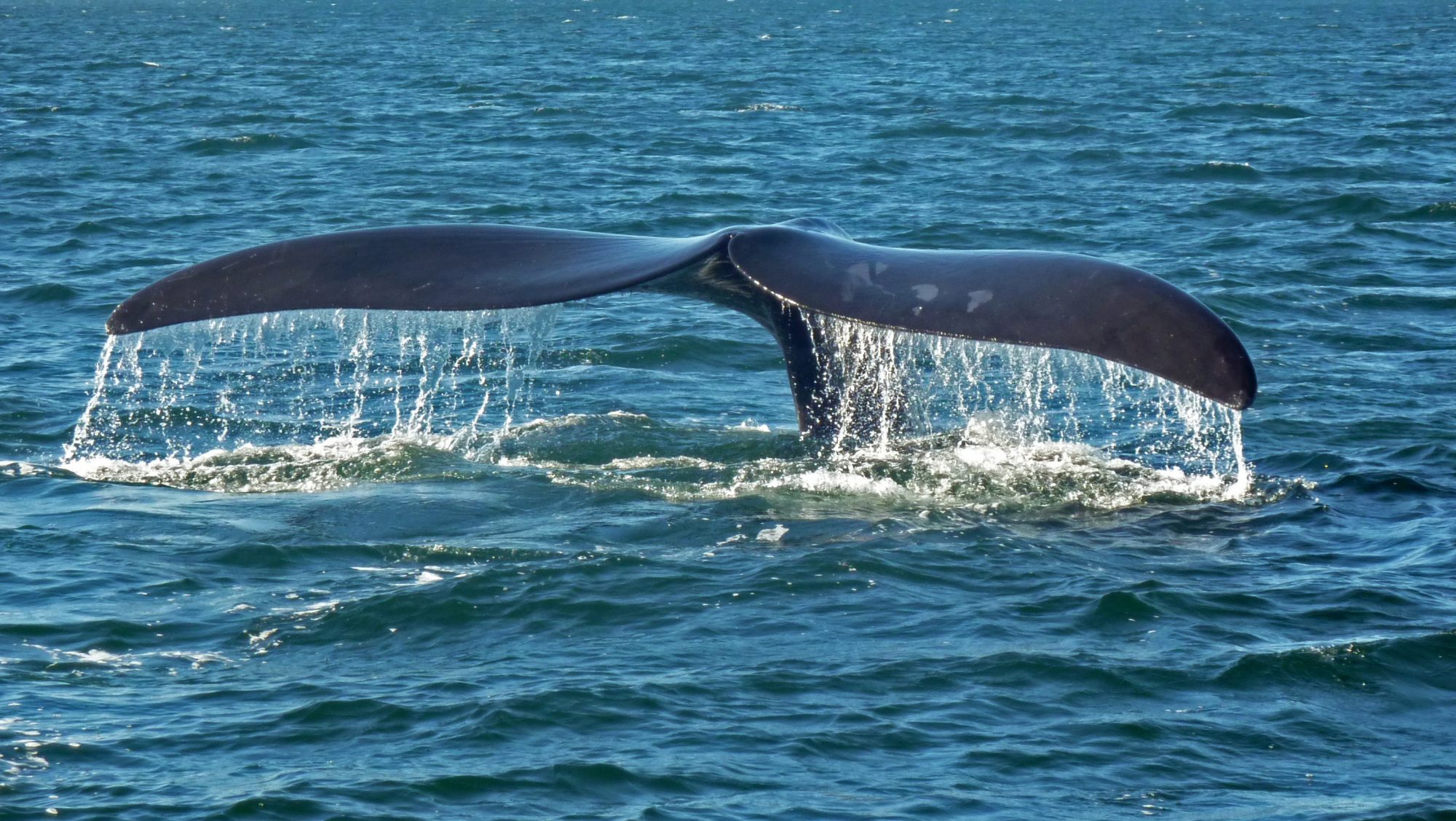
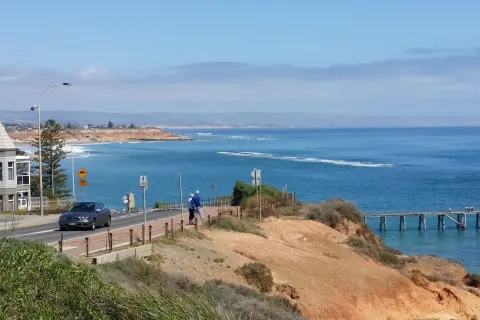
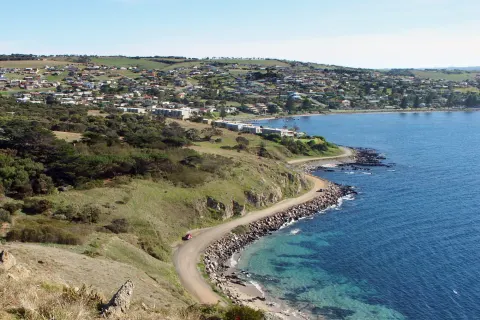
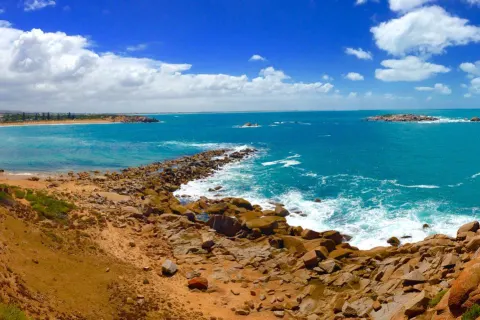
Start at Encounter Bay and Rosetta Head ("The Bluff") just west of Victor Harbor. The short, steep walking track to the summit takes half an hour and delivers the best coastal view on the peninsula - Granite Island, the Murray Mouth in the distance, Kangaroo Island on a clear day, and between May and October a very good chance of seeing a whale.
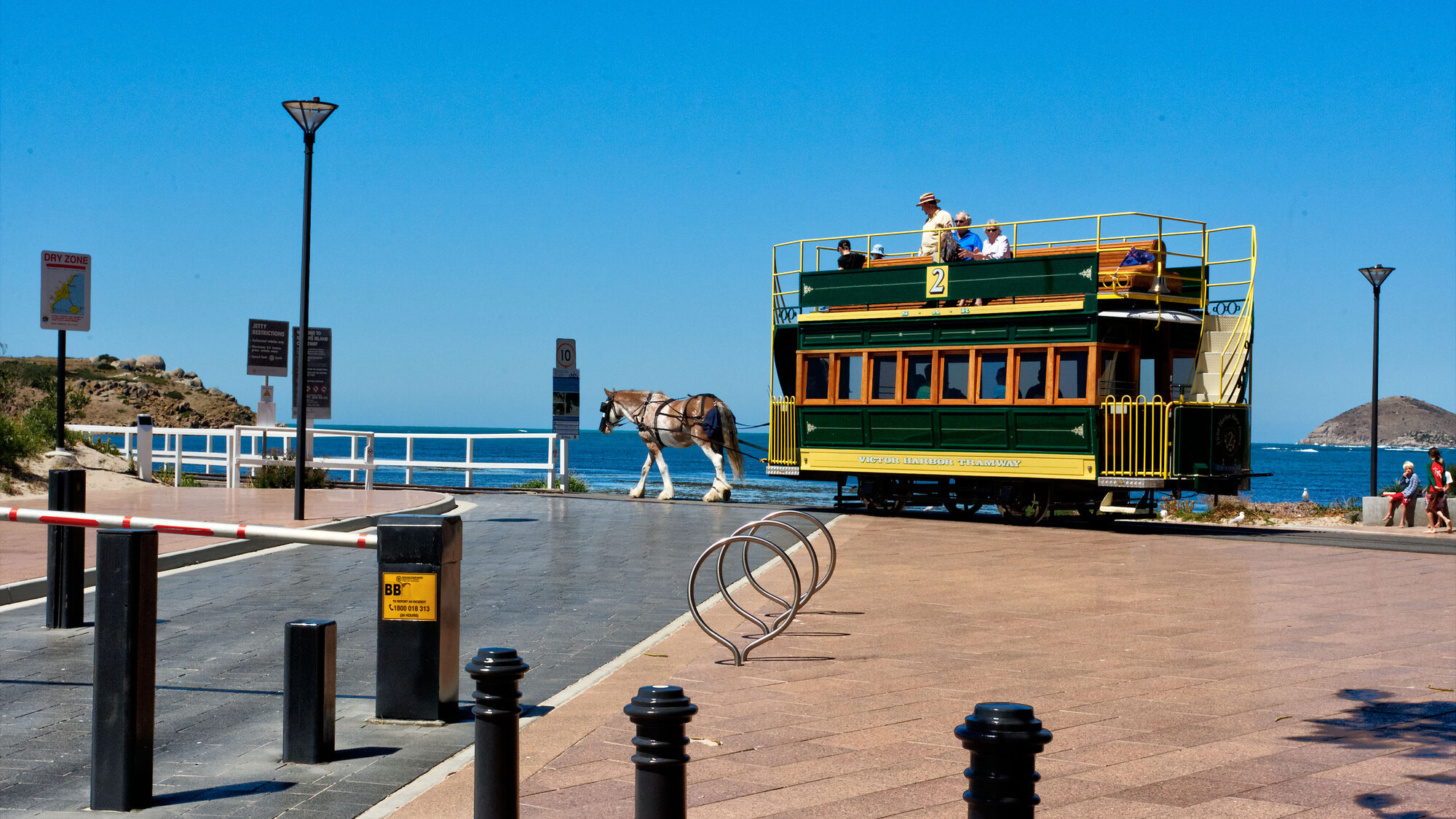
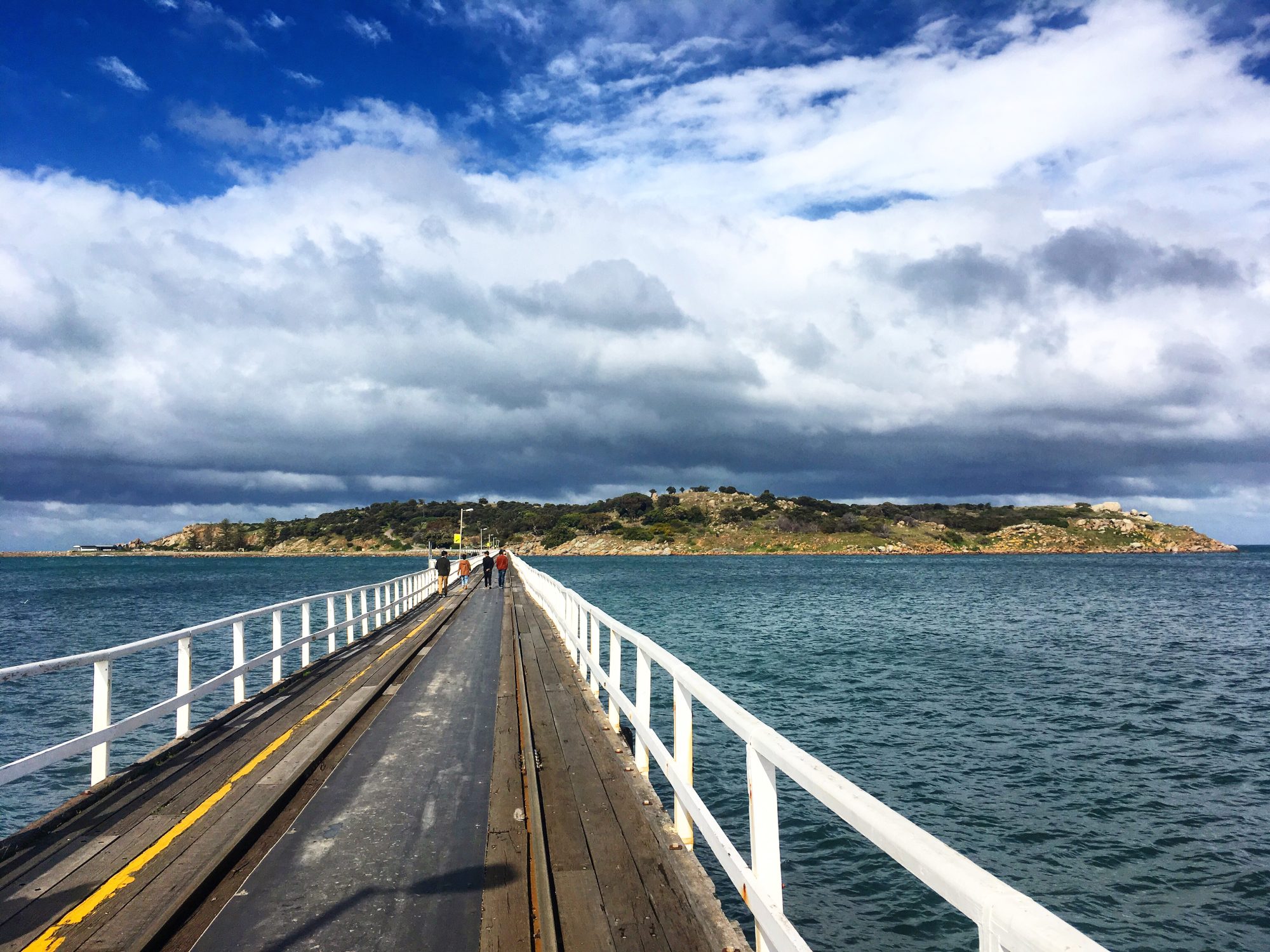
Drop down to the Victor Harbor foreshore mid-morning and catch the Victor Harbor Horse Drawn Tram across the causeway to Granite Island. The tram is one of only a handful of working horse tramways in the world and rolls across a 630-metre causeway behind two very large Clydesdales. On the island, walk the Kaiki Walk loop (1km, takes 30 minutes) and look for the little penguin colony.
Back on the mainland, lunch is on the Victor Harbor foreshore. The SA Whale Centre on Railway Terrace is worth an hour even if you think you don't like museums - the interpretive gallery tells the dark history of the 19th-century whaling stations that once operated from The Bluff.
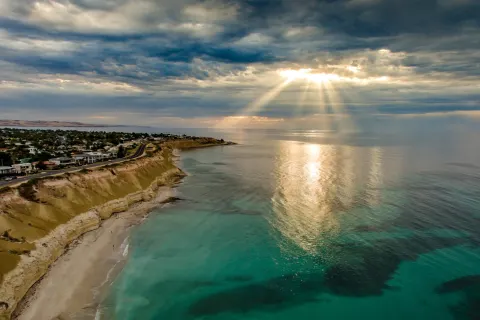
Afternoon: drive west along Waitpinga Road to the Waitpinga Cliffs Walk in Newland Head Conservation Park. This is one of the most spectacular short sections of the Heysen Trail. The clifftops are a nesting site for white-bellied sea eagles; in winter, southern right whales regularly surface in the bay below.
Dinner at Hotel Elliot on The Strand in Port Elliot - a casual country pub with a beer garden.
Day 2 - Port Elliot, Middleton and Goolwa
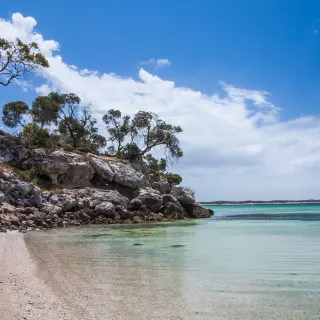
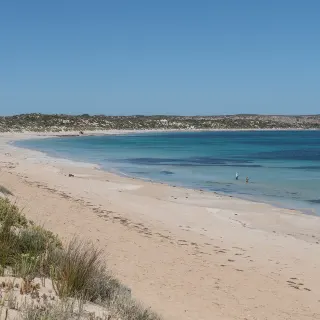
Start with a classic South Australian pastry at the Port Elliot Bakery on North Terrace. Walk it off at Horseshoe Bay, 200 metres from the bakery - a near-perfect horseshoe of sandy beach framed by sandstone headlands, one of the safest swimming beaches on the Encounter Coast.
From Port Elliot, head east on the Encounter Bikeway - 30km of sealed path to Goolwa. On a bike this is the gold-standard way to see the coast. In a car, the parallel road is still scenic and passes through Middleton - stop at the beach, check the surf, keep moving.
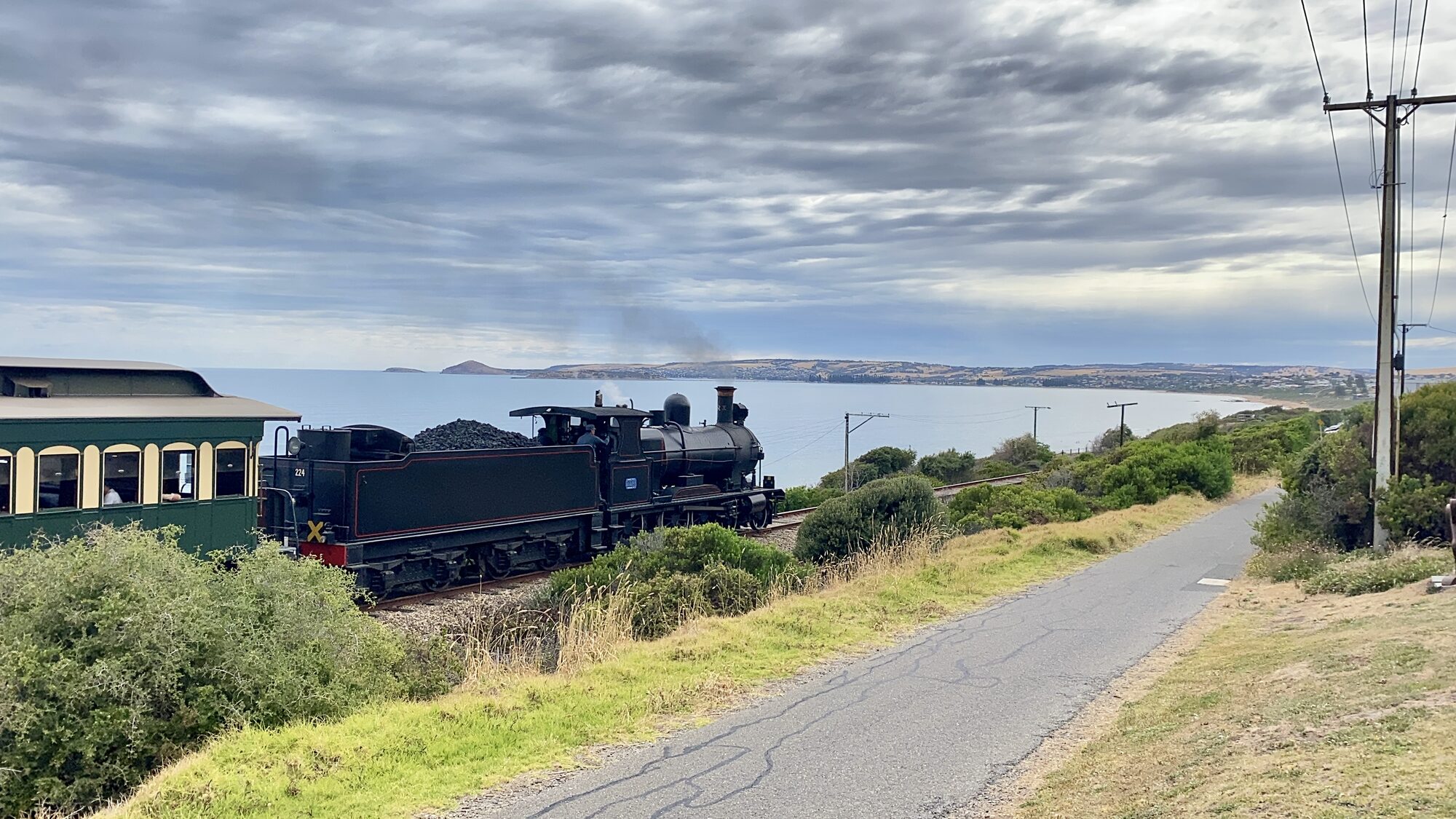
By late morning you should be at the Goolwa Wharf. The wharf precinct is the old inland river port of the Murray, now restored as a tourist precinct. On a Sunday or Wednesday the SteamRanger Cockle Train runs heritage steam trains from here back to Victor Harbor. The Fleurieu Distillery and Steam Exchange Brewery share a building at 1 Cutting Road, on the wharf - beer flights, gin tastings and award-winning single malt whisky all in one visit.
Lunch on the wharf at the Corio Hotel. Afterwards, drive across the cable-stayed bridge to Hindmarsh Island (known as Kumarangk to its Ngarrindjeri traditional owners) and follow the signs to the Murray Mouth - the single point where Australia's longest river meets the Southern Ocean. It is as significant a place as the country has and every visit to Goolwa should include a look at it.
Head home via Mount Compass and the Inman Valley for the scenic drive back to Adelaide.
Practical notes
- Whale season is May to October - if you are visiting in these months, spend longer at The Bluff and Waitpinga
- The horse tram runs every day except Christmas Day (weather permitting) and tickets are bought on the day
- The Cockle Train only runs some days (check the SteamRanger schedule) - worth planning the weekend around
- Granite Island penguin tours depart after sunset and book out in school holidays