









· 10 min read
McLaren Vale Shiraz has a regional character you can taste in a glass. This guide explains what that character is, where it comes from, the styles to look for, and the cellar doors that consistently make the best examples.
Why McLaren Vale Shiraz tastes the way it does
McLaren Vale Shiraz is one of the most distinctive expressions of the variety in the world. There is a regional taste profile that you can pick out blind - generous mid-palate fruit, rounded tannins, dark chocolate notes from oak ageing, and a particular kind of warm, almost spice-cake quality on the finish that comes from the Mediterranean climate.
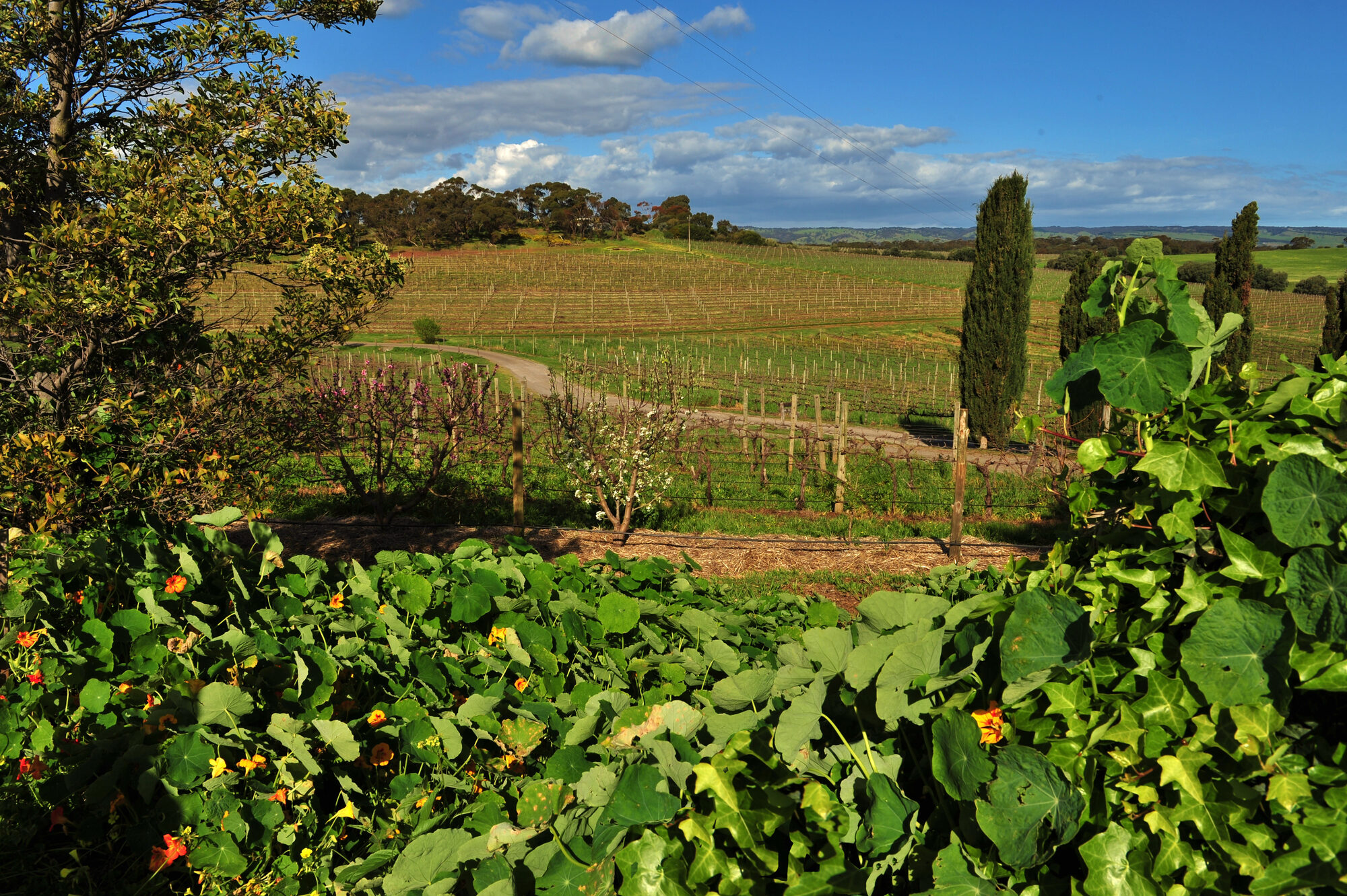
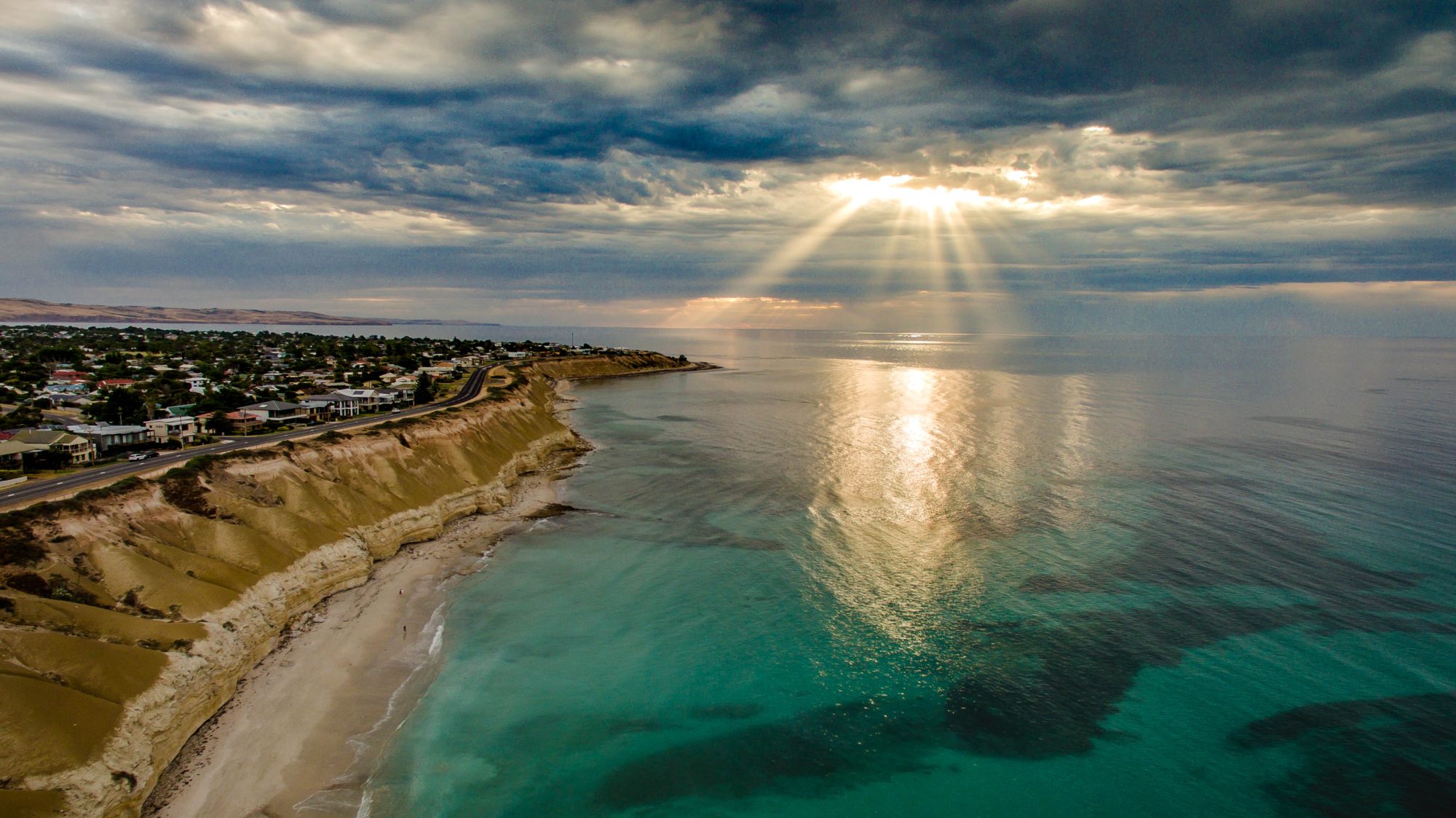
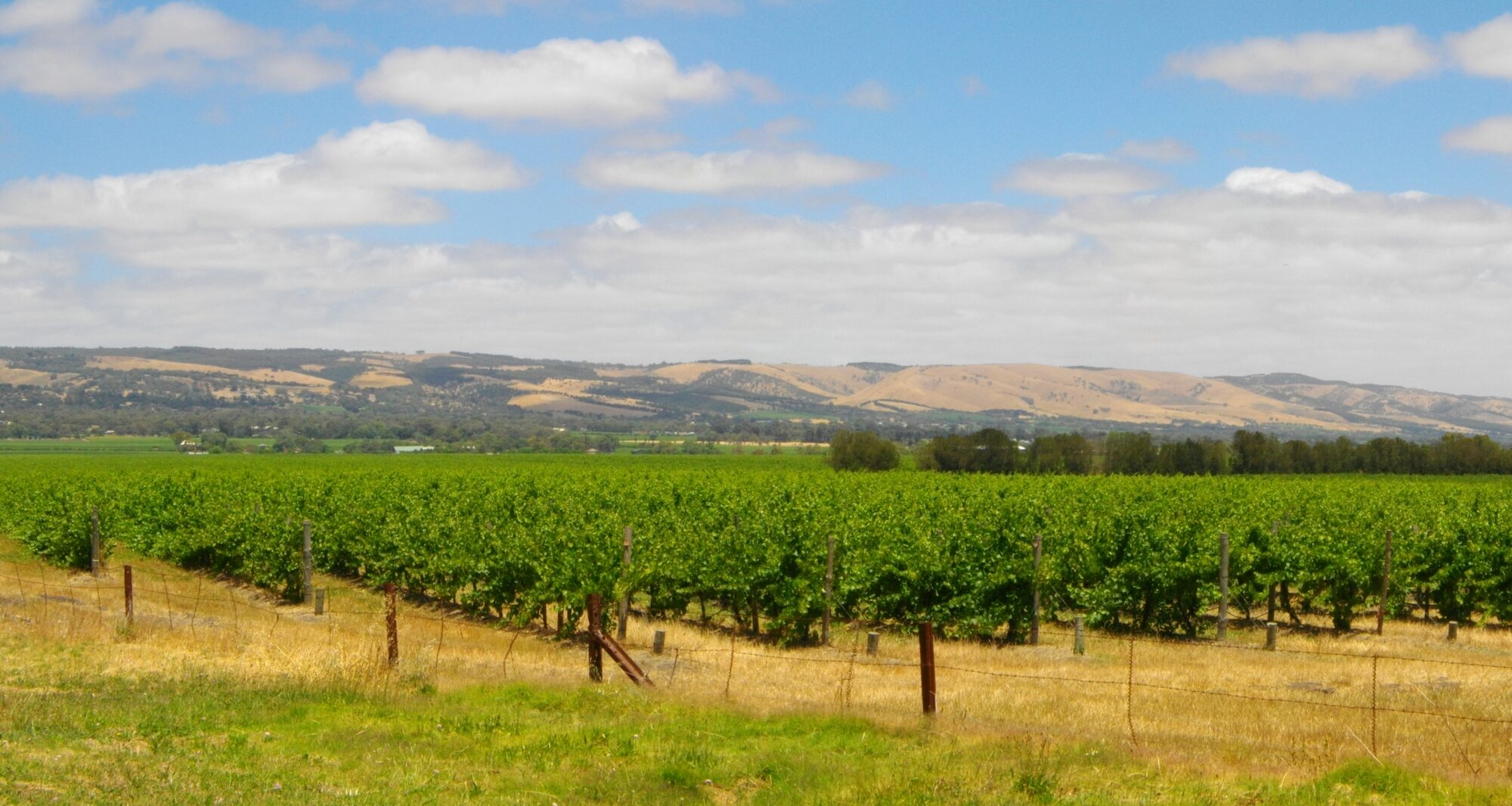
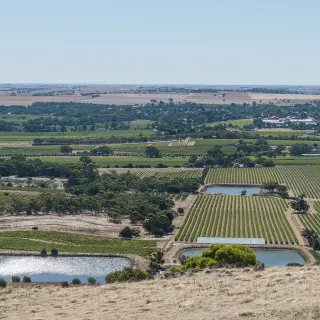
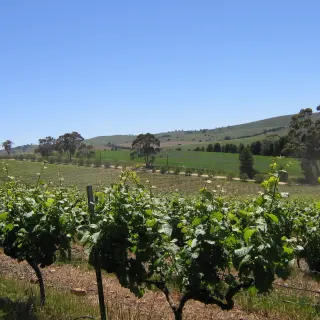
The character is built into the geography. McLaren Vale sits between the Mount Lofty Ranges and the Gulf St Vincent, on a series of north-facing slopes that get hot, dry summers cooled by the afternoon sea breeze coming off the gulf. The soils are old - some of the oldest viticultural soils on the planet - with bands of limestone, ironstone, sandstone and the deep grey sand of Blewitt Springs giving each sub-area a slightly different fruit profile.
For the deep version of this story, see Why McLaren Vale Shiraz tastes the way it does.
The styles within the region
Not all McLaren Vale Shiraz tastes the same. Within the region there are several distinct stylistic traditions, and recognising them helps you taste at cellar doors more effectively.
The classic plush style
The most-recognised McLaren Vale style is the rich, plush, fruit-forward Shiraz - generous mid-palate, soft tannins, ripe blackberry and plum fruit, vanilla and cocoa from American or French oak. This is the style that built the region's modern reputation in the 1990s and 2000s. It pairs well with rich food and ages beautifully for 10-15 years.
Where to taste it: Wirra Wirra (the RSW Shiraz is a regional benchmark), Mollydooker, Maxwell Wines, Hardys Tintara, Shingleback, Geoff Merrill, Mitolo, Bondar.
Old-vine Shiraz from Blewitt Springs
The deep grey sand soils of Blewitt Springs grow Shiraz with a different character - lighter, more aromatic, with floral and red-fruit notes that the warmer plains do not have. The wines have a distinctive elegance and a tighter, more linear structure. Several of the producers from this sub-area have built international cult followings.
Where to taste it: Yangarra Estate, S.C. Pannell, Aphelion, Ox Hardy, Sherrah, Ministry of Clouds, Yangarra.
Single-vineyard premium
The single-vineyard premium tier is the most expensive and the most carefully made. These are wines from a single block, made in tiny volumes, with extended oak ageing and prices that match. The flagships of the region.
Where to taste them: Bekkers (the Hill Shiraz is one of the most-coveted bottles in the country), Shirvington, In Praise of Shadows, Smidge, Cradle of Hills, Brash Higgins, Mitolo's G.A.M. Shiraz, d'Arenberg's The Dead Arm.
Natural-leaning and minimal-intervention
A newer wave of McLaren Vale producers makes Shiraz with minimal intervention - wild ferments, no fining, no filtration, low or no added sulphur. The wines are lighter, brighter, more savoury and more food-friendly than the classic plush style. They have a strong following among natural wine drinkers.
Where to taste them: Sew & Sew, Dodgy Brothers, Grounded Cru, Main & Cherry, Lino Ramble, Blewitt Springs Wine Co, Orbis Wines, Down the Rabbit Hole.
The fortified tradition
McLaren Vale was a fortified-wine region for the first 80 years of its history, and several cellar doors still pour exceptional long-aged tawny port, vintage port and muscat. Hardys Tintara, Pirramimma and Tinlins all carry serious back-vintage fortified ranges that are unique on the Australian mainland.
How to taste at the cellar door
Most cellar doors charge a tasting fee these days (typically $10-25), redeemable against any wine purchase. Tasting flights are usually 4-6 wines structured to walk you through the range from lightest to heaviest.
For a meaningful Shiraz tasting, ask the cellar door staff to skip the entry-level wines and pour you the single-vineyard tier - this is where the regional character is most clearly expressed and where the price-to-quality ratio gets serious. A good cellar door will happily oblige if you ask politely.
A few practical things to know:
- Spit, don't swallow, especially in the morning. You are tasting wines at 14-15% alcohol, six or eight at a time, across multiple cellar doors. The buckets are there for a reason.
- Take a notebook. The wines blur after the third stop and the notes will save you when you get home.
- Ask about food matches. The cellar door staff at McLaren Vale know the local restaurants and will happily tell you which wines they are currently pouring with which dishes.
- Ask about back vintages. Many cellar doors have museum stock from older vintages that they will pour on request and sell at the same price as current release. McLaren Vale Shiraz often shows much more of its character with five or ten years on it.
Where to start: a Shiraz-focused day
For a one-day visit specifically focused on tasting the breadth of McLaren Vale Shiraz, here is the route I would send a serious wine drinker on:
- Hardys Tintara (1876) for the deep history and a benchmark classic-style Shiraz
- Wirra Wirra for the RSW Shiraz, the regional benchmark for the rich plush style
- Coriole for an Italian-leaning take on the classic style
- Lunch at the Salopian Inn to break up the day - book in advance
- Yangarra Estate for the elegant Blewitt Springs old-vine style
- Bekkers (by appointment - book ahead) for the single-vineyard premium tier
- Sew & Sew or Dodgy Brothers for the natural-leaning newer wave
This route covers four of the five stylistic traditions in a single day. Book the lunch and the Bekkers appointment at least a week ahead, especially in autumn and spring.
Buying to take home
Most McLaren Vale cellar doors will pack a six-pack or a dozen for you to carry away on the day, or they will ship interstate (within Australia) at reasonable rates. International shipping is available from most of the bigger producers.
A few buying tips:
- Buy more of the wines you tasted and liked, not less. The biggest regret of every wine traveller is leaving a region with one bottle of something that turned out to be the favourite of the trip.
- Buy at least one bottle that needs ageing. Most McLaren Vale Shiraz is built to age 5-15 years and the wine you take home now will be a different wine in five years.
- Buy from at least one small cellar door that doesn't ship interstate. The boutique producers - Bekkers, Sew & Sew, Aphelion, Cradle of Hills, In Praise of Shadows - make wines you literally cannot buy outside the cellar door.
- Don't ignore the fortifieds. The long-aged tawnies and vintage ports from Hardys Tintara and Pirramimma are unique on the Australian mainland and underpriced for what they are.
What to read next
- The full deep history is in Why McLaren Vale Shiraz tastes the way it does
- The cultural backstory is in The Italian families who built modern McLaren Vale
- The complete cellar door list is on the wine and cellar doors category page
- A practical day-route is in the Perfect Wine Day in McLaren Vale trip guide
- The broader region overview is in McLaren Vale: a complete destination guide